
Lifestyle
Understanding Autism: Symptoms, Behaviors, and the Rising Awareness


Understanding Autism: Symptoms, Behaviors, and the Rising Awareness
Autism, formally known as Autism Spectrum Disorder (ASD), is a neurodevelopmental condition that affects how a person perceives the world, communicates, and interacts with others. It’s becoming more common globally, and people are asking: What are the 3 main symptoms of autism? Why is this condition becoming more prevalent? Why is it important to know about autism?
This blog post will explore those questions, providing clarity on autism symptoms, autistic thinking and behaviour, and the reasons behind rising diagnosis rates. We’ll also look at common misconceptions like why is everything a sign of autism and delve into how individuals on the spectrum see and interact with the world.
What Are the 3 Main Symptoms of Autism?
The most frequently discussed question is: What are the 3 main symptoms of autism? According to the DSM-5, the three core traits associated with autism are:
Social Communication Difficulties
Individuals often struggle with verbal and non-verbal communication. This includes challenges in understanding tone, facial expressions, and body language.
Repetitive Behaviors and Routines
Many autistic individuals engage in repetitive behaviors or rituals. These can include hand-flapping, rocking, or sticking to strict routines.
Restricted Interests
Deep focus or obsession with a specific topic, object, or hobby is another key marker. This passion often helps them excel in specific fields.
These autism symptoms are used by clinicians to make diagnoses. However, symptoms vary in intensity, making autism a true spectrum disorder.
Autism Symptoms You Should Know
Beyond the three core signs, there are additional autism symptoms that might present themselves, including:
Hypersensitivity to light, sound, or touch
Difficulty maintaining eye contact
Delayed language development
Difficulty understanding social norms
Trouble transitioning between tasks
Understanding these autism symptoms helps caregivers, teachers, and family members provide better support. With early intervention, children and adults on the spectrum can lead fulfilling lives.
Related keyword phrases such as developmental disorder, communication challenges, and neurodivergent behavior also help build an overall understanding of autism.
Why Is It Important to Know About Autism?
The question why is it important to know about autism should be on everyone’s mind. There are several compelling reasons:
Early Diagnosis Means Better Outcomes
Recognizing the autism symptoms early allows for quicker intervention. Children who receive therapy and educational support early tend to thrive better in school and relationships.
Reduce Misunderstandings and Stigma
Many people still view autistic thinking and behaviour as odd or difficult. Understanding autism helps reduce judgment and encourages empathy.
Support Inclusion in Society
Whether it’s education, the workplace, or public spaces, knowing about autism promotes inclusivity and accessibility for all individuals.
Family and Caregiver Support
Families that understand their child’s diagnosis can advocate more effectively and find the resources they need.
Recognize Diverse Strengths
Many individuals on the autism spectrum possess exceptional talents in mathematics, music, art, and technology. Recognizing these can lead to societal advancement.
In sum, why is it important to know about autism? Because awareness builds bridges, not walls.
Why Is Everything a Sign of Autism?
A growing concern in modern discussions is why is everything a sign of autism? From being shy to loving routines, many behaviors are now being associated with autism. While this increased awareness is helpful, it can sometimes lead to over-pathologizing normal behavior.
So, why is everything a sign of autism?
Greater Public Awareness
As society becomes more informed, people start to connect everyday traits to autism symptoms, even when they may not meet diagnostic criteria.
Expanded Diagnostic Criteria
The definition of autism has broadened over the years. Today, we recognize a wider range of autistic thinking and behaviour, from non-verbal children to highly functional adults.
More People Seeking Answers
Adults undiagnosed as children often look back and see signs of autism in their past behavior. This retrospective realization adds to the perception.
However, we must be cautious not to minimize the experiences of those truly on the spectrum. Understanding the 3 main symptoms of autism helps avoid blanket assumptions.
Why Is Autism Increasing So Much?
It’s hard to ignore the question: Why is autism increasing so much?
While it might seem that the rate of autism is skyrocketing, the real reason is better awareness and diagnosis.
Possible Reasons:
Improved Diagnostic Tools
Today, clinicians have better screening tools and knowledge of autism symptoms than ever before.
Public Awareness Campaigns
Campaigns highlighting why is it important to know about autism have encouraged parents and schools to seek assessments early.
Expanded Spectrum Understanding
Previously misunderstood behaviors are now recognized as autistic thinking and behaviour, leading to more diagnoses.
Genetic and Environmental Factors
Ongoing research also looks at how genetics and the environment might influence the rising trend.
Social Acceptance
With the stigma decreasing, more families feel comfortable pursuing diagnoses and treatments.
In truth, why is autism increasing so much? Because we’re finally recognizing it for what it is: a diverse, lifelong condition affecting millions.
Why Autism See Things Shorts: A Visual Perspective
One interesting search phrase is why autism see things shorts. Although oddly phrased, it likely refers to the visual perception differences experienced by many autistic individuals.
Here’s why some people with autism “see things differently”:
Detail-Oriented Vision
Autistic individuals often focus on details instead of the big picture. This can make their perception feel fragmented or “short.”
Sensory Sensitivities
Overload from lights or movement can cause discomfort or altered vision.
Literal Interpretation
Many on the spectrum interpret images, words, or events literally—resulting in unique perception.
Exploring why autism see things shorts opens a window into how sensory processing differs for those on the autism spectrum.
Autistic Thinking and Behaviour
Understanding autistic thinking and behaviour is essential for support and inclusion. Here are key traits commonly seen:
Black-and-White Thinking
Many autistic individuals struggle with grey areas. Rules are important, and ambiguity can be stressful.
Hyper-Focus on Interests
An autistic person may spend hours on a topic that fascinates them, often becoming highly knowledgeable.
Difficulty with Abstract Concepts
Metaphors, sarcasm, or social cues can be confusing.
Emotional Regulation Challenges
Meltdowns or shutdowns may occur due to overstimulation.
Unique Problem-Solving Skills
Some excel at finding creative or analytical solutions due to their distinct way of processing information.
Understanding autistic thinking and behaviour helps create compassionate environments where individuals can flourish.
Conclusion
So, what are the 3 main symptoms of autism? They are social communication challenges, repetitive behaviors, and restricted interests. But autism is far more nuanced than just these three. As awareness grows, questions like why is it important to know about autism and why is autism increasing so much become more relevant than ever.
While it’s easy to wonder why is everything a sign of autism, we must strike a balance between understanding and over-diagnosing. With compassionate insight into autistic thinking and behaviour and a better grasp of how people on the autism spectrum experience the world—like the curious case of why autism see things shorts—we can work toward a more inclusive society.
Ultimately, the goal is not just awareness, but acceptance.
Meta Description:
Discover the 3 main symptoms of autism and understand why autism awareness is critical. Learn why autism rates are rising, and explore autistic thinking and behaviour in depth.
Keyphrase:
What are the 3 main symptoms of autism
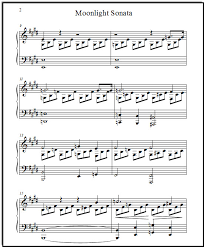
Moonlight Sonata: A Timeless Masterpiece That Continues to Inspire
The Moonlight Sonata is one of the most recognizable and beloved piano compositions in the world. From beginners touching the keys for the first time to seasoned pianists performing on grand stages, this piece has a universal pull. The emotional depth of the Moonlight Sonata makes it timeless, while its accessibility keeps it relevant for modern learners. Whether you are listening, learning, or teaching, the Moonlight Sonata remains a cornerstone of classical music appreciation.
For musicians today, resources like Moonlight sonata notes, Moonlight sonata sheet music, Moonlight sonata tabs, and Moonlight sonata chords have made studying this masterpiece easier than ever.
The History Behind the Moonlight Sonata
Composed by Ludwig van Beethoven in 1801, the Moonlight Sonata is officially titled Piano Sonata No. 14 in C-sharp minor, Op. 27 No. 2. Beethoven himself did not name it “Moonlight”; the nickname was added years later by a poet who felt the first movement resembled moonlight shimmering on water. Since then, the Moonlight Sonata has captured imaginations across generations.
At the time, Beethoven was experimenting with new emotional expressions and structural freedom. The Moonlight Sonata broke conventions by opening with a slow, introspective movement instead of a fast one. This bold decision helped redefine what a piano sonata could be and cemented the Moonlight Sonata as a revolutionary work in classical music.
Musical Structure and Movements
The Moonlight Sonata consists of three distinct movements, each offering a different emotional experience. The first movement is calm, haunting, and reflective. The second movement provides a lighter, almost playful contrast, while the third movement is dramatic and technically demanding. Together, these movements make the Moonlight Sonata a complete emotional journey.
Understanding the structure helps learners interpret the piece more musically. Many students rely on Moonlight sonata notes to grasp phrasing and dynamics, especially in the delicate first movement.
Learning the Moonlight Sonata Notes
For pianists, mastering the Moonlight sonata notes is the first major step toward performing the piece confidently. The right-hand melody in the first movement flows gently, while the left hand maintains a steady arpeggiated pattern. Carefully studying Moonlight sonata notes allows players to understand timing, articulation, and emotional expression.
Beginners often start slowly, focusing on accuracy rather than speed. Intermediate players refine their touch and pedaling using detailed Moonlight sonata notes as a guide. Even advanced pianists revisit Moonlight sonata notes to explore new interpretative ideas within the music.
Using Moonlight Sonata Sheet Music Effectively
High-quality Moonlight sonata sheet music is essential for serious practice. Authentic editions preserve Beethoven’s original intentions, including tempo markings and dynamic contrasts. When reading Moonlight sonata sheet music, pianists can better visualize the structure and progression of the composition.
Students and teachers alike prefer clear and well-annotated Moonlight sonata sheet music to ensure accuracy. Digital versions of Moonlight sonata sheet music also allow easy access, making practice more convenient than ever.
Exploring Moonlight Sonata Tabs for Beginners
For those new to piano or transitioning from other instruments, Moonlight sonata tabs can be incredibly helpful. Unlike traditional notation, Moonlight sonata tabs provide a simplified visual reference that shows which keys to press.
Many beginners use Moonlight sonata tabs alongside listening exercises to build confidence. While tabs should not replace formal learning entirely, Moonlight sonata tabs serve as a friendly entry point into this iconic piece.
Understanding Moonlight Sonata Chords
Harmony plays a crucial role in the emotional impact of the Moonlight Sonata. Studying Moonlight sonata chords helps musicians understand how tension and release are created throughout the piece. The first movement relies on subtle harmonic shifts, while the final movement uses powerful Moonlight sonata chords to drive intensity.
Composers and arrangers often analyze Moonlight sonata chords to learn how Beethoven conveyed emotion with such economy. Practicing transitions between Moonlight sonata chords also improves overall musicality.
Practice Tips for Mastering the Piece
To truly master the Moonlight Sonata, consistent and mindful practice is key. Break the piece into sections, focus on hand independence, and use a metronome for control. Combining Moonlight sonata notes with Moonlight sonata sheet music ensures accuracy, while Moonlight sonata tabs can assist during early learning stages. Understanding Moonlight sonata chords will also deepen your interpretation and confidence.
Recording yourself and listening back can reveal areas for improvement. The Moonlight Sonata rewards patience, and gradual progress leads to expressive performance.
Advanced Interpretation and Expression
Advanced pianists often revisit the Moonlight Sonata to explore new emotional layers. Pedaling technique, subtle tempo changes, and dynamic control elevate a performance from technical to transcendent. Studying Moonlight sonata notes in depth, along with professional Moonlight sonata sheet music, helps refine interpretation. Some players even compare Moonlight sonata tabs with standard notation to better understand finger placement, while analyzing Moonlight sonata chords adds harmonic insight.
Digital Resources and Modern Learning
Today, learning the Moonlight Sonata is easier thanks to online tools and tutorials. Interactive platforms combine Moonlight sonata notes, Moonlight sonata sheet music, Moonlight sonata tabs, and Moonlight sonata chords into comprehensive learning systems. These resources make the Moonlight Sonata accessible to learners worldwide, regardless of experience level.
Frequently Asked Questions
Many learners ask whether the Moonlight Sonata is suitable for beginners. While the first movement is approachable, the full Moonlight Sonata requires dedication. Using Moonlight sonata notes alongside Moonlight sonata sheet music helps build a solid foundation. Beginners may also benefit from Moonlight sonata tabs, while understanding Moonlight sonata chords supports musical growth.
Conclusion: Why the Moonlight Sonata Endures
The Moonlight Sonata continues to captivate listeners and musicians because of its emotional honesty and musical brilliance. From studying Moonlight sonata notes to practicing with Moonlight sonata sheet music, experimenting with Moonlight sonata tabs, and analyzing Moonlight sonata chords, every approach offers a deeper connection to the music. The Moonlight Sonata is more than a composition—it is an experience, a lesson, and a timeless work of art that will continue to inspire for generations to come.

Why Is One AirPod Louder Than the Other? Complete User-Friendly Guide
If you’ve ever put in your AirPods and instantly wondered why is one airpod louder than the other, you’re not alone. This is one of the most common audio problems users face today. From simple settings issues to hardware wear, understanding why is one airpod louder than the other can save you time, frustration, and even money. In this guide, we’ll break down why is one airpod louder than the other, how to fix it, and what related audio issues may be causing the imbalance.
Common Reasons Why One AirPod Is Louder Than the Other
One of the first thoughts people have is why is one airpod louder than the other even when both were working perfectly before. The most frequent causes include earwax buildup, audio balance settings, software bugs, or even hearing sensitivity. When users ask why is one airpod louder than the other, it’s often something simple that can be fixed in minutes.
Another reason why is one airpod louder than the other could be Bluetooth interference or outdated firmware. Keeping your device updated is crucial when troubleshooting why is one airpod louder than the other.
Audio Balance and Accessibility Settings
Many users don’t realize their phone has balance controls, which directly explain why is one airpod louder than the other. If the slider is slightly off-center, it can create the illusion that one side is broken. Checking these settings often resolves why is one airpod louder than the other instantly.
This same issue applies when people ask why is one of my airpods louder than the other, because balance settings affect both AirPods and other headphones.
Earwax, Dirt, and Physical Blockage
A surprisingly common answer to why is one airpod louder than the other is earwax buildup. Even a thin layer can muffle sound. The same logic applies to users asking why is one earbud louder than the other or why is one of my earbuds louder than the other. Regular cleaning prevents these problems.
Software Glitches and Bluetooth Problems
Sometimes why is one airpod louder than the other has nothing to do with hardware. Temporary Bluetooth glitches, corrupted audio profiles, or app-specific bugs can all cause imbalance. Restarting your device often fixes why does one airpod sound louder than the other without any extra steps.
Hearing Differences and Environment
Not all issues are technical. Many users asking why is one airpod louder than the other later realize it’s related to hearing sensitivity. This also explains why do i hear background noise louder than voices, especially in noisy environments. Our ears don’t always process sound evenly.
Related Audio Questions Explained
People searching why is one headphone louder than the other face similar causes: balance settings, dirt, or worn drivers. Likewise, why is one of my airpods louder than the other often overlaps with why does one airpod sound louder than the other, especially after updates.
Interestingly, some users even ask why is my vibrator getting louder, which is usually due to motor wear, loose components, or battery issues. While unrelated to AirPods, it shows how common uneven sound problems are across devices.
Quick Fixes You Should Try First
If you’re still wondering why is one airpod louder than the other, try these steps:
Clean both AirPods carefully
Reset Bluetooth connections
Check audio balance settings
Update your device software
These steps also help if you’re asking why is one earbud louder than the other or why is one of my earbuds louder than the other.
When to Replace or Repair
If none of the fixes solve why is one airpod louder than the other, hardware damage may be the cause. Long-term use, drops, or moisture exposure can permanently affect sound. The same applies to why is one headphone louder than the other in wired or wireless models.
Final Thoughts
To sum it up, why is one airpod louder than the other usually comes down to settings, cleanliness, or minor software issues. By understanding why is one airpod louder than the other and applying the fixes above, most users restore perfect sound balance quickly. Whether you’re asking why does one airpod sound louder than the other, why do i hear background noise louder than voices, or even why is my vibrator getting louder, the root cause is often easier to fix than it seems.
With proper care and awareness, you’ll never have to stress again about why is one airpod louder than the other.
Advanced Troubleshooting for Uneven AirPod Sound
If you’re still asking why is one airpod louder than the other after trying basic fixes, it’s time to look deeper. Advanced issues like microphone calibration errors or spatial audio conflicts can explain why is one airpod louder than the other even when everything looks normal.
Many users searching why is one of my airpods louder than the other don’t realize that Spatial Audio and Dolby Atmos can amplify one side depending on head movement. Turning these features off temporarily can help identify why does one airpod sound louder than the other.
App-Specific Audio Imbalance Problems
Another overlooked reason why is one airpod louder than the other is app-based audio settings. Streaming apps, video players, and even games may have independent volume controls. This often causes users to think why is one earbud louder than the other, when the issue is actually inside the app.
This same situation applies to people wondering why is one of my earbuds louder than the other or why is one headphone louder than the other while using certain applications.
Bluetooth Codec and Device Compatibility
Different devices use different Bluetooth codecs, and poor compatibility can explain why is one airpod louder than the other. Older phones or laptops may not properly balance stereo output, leading users to repeatedly search why is one airpod louder than the other without realizing the source.
Switching devices is a quick way to test why does one airpod sound louder than the other and rule out hardware damage.
Environmental Factors That Affect Sound Perception
Your surroundings matter more than you think. Wind, background chatter, and traffic noise often cause people to ask why do i hear background noise louder than voices. This can also make it feel like why is one airpod louder than the other, especially when using transparency or adaptive modes.
This sensory imbalance is also why users compare it to other sound problems like why is my vibrator getting louder, which is often caused by vibration echo or surface resonance.
Long-Term Usage and Wear Issues
Over time, speaker drivers wear unevenly. This is a major reason long-term users suddenly notice why is one airpod louder than the other. Consistent high-volume use on one side can permanently alter output, leading to why is one of my airpods louder than the other complaints.
The same wear-and-tear explanation applies to why is one earbud louder than the other and why is one headphone louder than the other, regardless of brand.
When Professional Support Is the Best Option
If you’ve tried everything and still wonder why is one airpod louder than the other, it may be time to contact support. Apple diagnostics can confirm whether the issue is internal. This is especially important if why does one airpod sound louder than the other started after water exposure or a drop.
Replacing a single AirPod is often cheaper than buying a new set, which is good news for anyone stuck asking why is one of my earbuds louder than the other.
Preventing Uneven Sound in the Future
To avoid asking why is one airpod louder than the other again:
Clean AirPods weekly
Avoid max volume on one side
Keep firmware updated
Store them properly
These habits also reduce issues related to why do i hear background noise louder than voices and improve overall audio clarity.
Final Expansion Summary
In most cases, why is one airpod louder than the other is not a serious defect but a combination of settings, usage habits, and environmental factors. By understanding why is one airpod louder than the other, users can confidently fix the issue without stress. Whether the concern is why is one earbud louder than the other, why is one headphone louder than the other, or even unrelated sound questions like why is my vibrator getting louder, the solution usually starts with awareness and simple adjustments.

Why is Gardening So Relaxing? The Secret Behind Nature’s Therapy
If you have ever asked yourself “Why is gardening so relaxing?”, you are not alone. Millions of people across the world have discovered the peace, joy, and satisfaction that comes from tending to plants, watching flowers bloom, or simply digging in the soil. But what makes this activity so therapeutic? Science and psychology both point to fascinating answers that explain why gardening is relaxing, how gardening reduces stress, and why gardening is so satisfying.
Why is Gardening So Relaxing?
One of the most common questions is “Why is gardening so relaxing?”. The answer lies in the combination of physical activity, fresh air, sunshine, and the calming effect of nature. Studies have shown that exposure to green spaces lowers cortisol levels—the hormone responsible for stress—making people feel calmer and happier. This explains why gardening is calming and why many consider it an effective stress management practice.
How Gardening Reduces Stress Naturally
Another big benefit is how gardening reduces stress. Whether it’s planting vegetables, trimming roses, or watering herbs, these small acts require mindfulness. When you focus on the present moment, your mind shifts away from daily worries. That’s why many psychologists recommend gardening as a natural therapy. The repetitive, soothing tasks explain why gardening is relaxing and also why gardening is amazing for mental health.
Why is Gardening So Satisfying?
People often wonder, “Why is gardening so satisfying?” The sense of achievement is one of the biggest reasons. Watching seeds grow into beautiful plants gives a feeling of accomplishment. You get to nurture life, and this responsibility brings deep emotional satisfaction. This is another explanation of why gardening is relaxing, since fulfillment and pride play key roles in overall well-being.
Why is Gardening Calming for the Mind?
So, why is gardening calming? Beyond the science of stress reduction, gardening connects humans with nature in a unique way. Breathing fresh air, feeling the soil, and enjoying colorful blooms activate the brain’s relaxation response. This helps balance emotions, lowers anxiety, and even improves sleep quality. It’s no surprise that so many say gardening is amazing.
Does Gardening Reduce Stress in Daily Life?
Many ask, “Does gardening reduce stress?” The answer is a resounding yes. Research shows that just 20 minutes of gardening can improve mood and lower anxiety. Unlike other activities, gardening combines movement, creativity, and nature exposure, all of which help explain why gardening is relaxing.
Gardening is Amazing: Benefits Beyond Relaxation
People often say gardening is amazing not only because it relaxes the mind, but also because it improves physical health. Digging, planting, and carrying pots are forms of low-impact exercise, which help strengthen muscles and improve flexibility. This physical activity, combined with mental relaxation, reveals both why gardening is calming and why gardening is so satisfying.
Why Gardening is Relaxing for Different Ages
Another reason why gardening is relaxing is its universal appeal. Children enjoy playing with soil, adults find joy in maintaining plants, and seniors benefit from the soothing nature of gardening. For every age group, the benefits of how gardening reduces stress remain consistent. That’s why people across generations agree that gardening is amazing.
Why is Gardening So Relaxing? A Spiritual Connection
For some, why gardening is relaxing has a spiritual explanation. Being surrounded by plants gives a feeling of closeness to nature and life itself. Many gardeners say they feel grounded, connected, and even more grateful for the simple things. This deeper perspective explains why gardening is calming and why gardening is so satisfying at a soul level.
Final Thoughts: Why is Gardening So Relaxing?
So, why is gardening so relaxing? The answer is clear—it combines stress reduction, physical activity, mindfulness, and emotional satisfaction. When you see how quickly and effectively gardening reduces stress, you understand why gardening is calming. Add to that the joy of creation and fulfillment, and you realize why gardening is so satisfying.
In the end, it’s safe to say gardening is amazing, not only for mental health but also for happiness, peace, and balance in life.


Moonlight Sonata: A Timeless Masterpiece That Continues to Inspire

Why Is One AirPod Louder Than the Other? Complete User-Friendly Guide

How Do Satellites Stay in Orbit? A Complete Guide

☕️The Ultimate Coffee Lover’s Guide: From Caffeine in a Cup of Coffee to Turkish Coffee Delights

In today’s fast‑moving economy, what industry is slowly dying and why?

🐦 The Ultimate Bird Watching Guide: Best Birdwatching Locations & Tips for Beginners
-
 Business8 months ago
☕️The Ultimate Coffee Lover’s Guide: From Caffeine in a Cup of Coffee to Turkish Coffee Delights
-
 Business8 months ago
In today’s fast‑moving economy, what industry is slowly dying and why?
-
 Lifestyle8 months ago
🐦 The Ultimate Bird Watching Guide: Best Birdwatching Locations & Tips for Beginners
-

 Entertainment7 months ago
Black Phone 2′ Cast Revealed: 5 Stars Return, 5 Actors Join & 1 Star Exits
-

 Business8 months ago
The Many Faces of “Future”: Markets, Farming, Music, AI, and a Better Tomorrow
-

 Tech7 months ago
Ultimate Secret Android Apps You’ll Actually Love
-

 Health8 months ago
A Journey Through Life’s Firsts: Health, Gaming, and Experiences That Shape Us
-

 Lifestyle8 months ago
What is life Philosophy?