
Lifestyle
🐦 The Ultimate Bird Watching Guide: Best Birdwatching Locations & Tips for Beginners


🐦 The Ultimate Bird Watching Guide: Best Birdwatching Locations & Tips for Beginners
Birdwatching, also known as birding, is a rewarding and peaceful hobby that lets you reconnect with nature. Whether you’re scanning treetops in your backyard or hiking to find rare species in exotic forests, the thrill of spotting birds in their natural habitat is unmatched. This bird watching guide for beginners will cover top birdwatching locations, essential bird watching tips for beginners, and a thorough bird watching guide to get you started on the right foot.
📍 Cluster 1: Top Birdwatching Locations in the World
One of the most exciting parts of birding is exploring new birdwatching locations. The right environment dramatically increases your chances of spotting rare and beautiful species. Here are some of the world’s most breathtaking and species-rich birdwatching locations every birder should visit.
- Costa Rica – The Rainforest Paradise
With over 900 bird species, Costa Rica is one of the most vibrant birdwatching locations globally. From the colorful Resplendent Quetzal to the Scarlet Macaw, every hike is a treat for your eyes. - The Everglades, USA
This subtropical wilderness in Florida offers one of the best birdwatching locations for spotting wading birds like herons, egrets, and ibises. - Bharatpur Bird Sanctuary, India
Known as Keoladeo National Park, this UNESCO World Heritage site is among Asia’s top birdwatching locations, home to more than 370 species. - Kruger National Park, South Africa
Not only do you get to see Africa’s big game, but Kruger is also a paradise for birders with over 500 bird species. - Danube Delta, Romania
The Delta offers some of the best birdwatching locations in Europe and is home to pelicans, eagles, and over 300 species.
Related Keywords used:
birding hotspots
best places for birding
bird habitats
top birding trails
exotic bird destinations
📘 Cluster 2: Birdwatching Location Guide Tips for Every Explorer
Understanding how to pick and explore a birding site is essential. These Birdwatching location guide tips will help you make the most of each birding adventure.
- Study the Habitat
Each bird species prefers a unique habitat. For example, wetlands attract waders, while forests are homes to woodpeckers and warblers. - Timing Matters
Use these Birdwatching location guide tips: Visit early in the morning or late in the afternoon when birds are most active. - Bring a Map and Field Guide
A regional field guide will help you identify birds, and a map ensures you explore all promising birdwatching locations within the area. - Use the Right Apps
Apps like eBird and Merlin Bird ID are digital tools packed with Birdwatching location guide tips and real-time bird sightings near your location. - Talk to Local Experts
Local birders often share Birdwatching location guide tips that aren’t in books or online forums—such as specific trees where owls roost.
Related:
birding checklist
birdwatching gear
local birding clubs
birding season
spotting scopes
📖 Cluster 3: Bird Watching Guide for Every Level
A complete bird watching guide includes tools, knowledge, and preparation. Whether you’re hiking through tropical rainforests or setting up a backyard feeder, these guidelines are essential.
- Get the Gear
The foundation of any bird watching guide is having the right tools. A good pair of binoculars (8×42 or 10×42) and a field notebook are must-haves. - Learn Bird Calls
Birds are often easier to hear than see. Many bird watching guides emphasize the importance of learning bird calls for identification. - Keep a Birding Journal
A birding log helps track species, behaviors, and locations. This helps you build your own bird watching guide over time. - Respect Wildlife
All bird watching guides stress the importance of not disturbing birds, especially during nesting seasons. - Join Bird Walks
Many parks and reserves offer guided bird walks led by experts who follow a structured bird watching guide to introduce participants to local species.
Related Keywords used:
bird identification guide
bird tracking
field bird guide
bird call recordings
birding journals
🐣 Cluster 4: Bird Watching Tips for Beginners That Actually Work
If you’re new to birding, these practical bird watching tips for beginners will help you gain confidence and skill quickly.
- Start in Your Backyard
The best bird watching tips for beginners suggest starting at home. Set up a feeder and observe birds that come to visit. - Be Still and Quiet
Birds are easily spooked. One of the most repeated bird watching tips for beginners is to stay still and reduce noise. - Dress the Part
Avoid bright colors. Neutral clothing blends with the environment—one of the lesser-known but effective bird watching tips for beginners. - Use a Checklist
Many bird watching tips for beginners recommend using checklists to track sightings and boost your ID skills. - Be Patient
Birding teaches patience. Following bird watching tips for beginners means learning to wait, watch, and appreciate even the smallest signs of bird activity.
Related Keywords used:
beginner birding
starting birdwatching
birding basics
birding tools for beginners
new birder mistakes
📗 Cluster 5: Comprehensive Bird Watching Guide for Beginners
This bird watching guide for beginners brings all essential elements together to launch your birding journey.
Step 1: Choose the Right Location
Don’t jump straight into remote jungles. This bird watching guide for beginners recommends starting with easy-to-access parks or local reserves.
Step 2: Practice Observation
A good bird watching guide for beginners teaches how to focus on bird shapes, flight patterns, and behaviors instead of only color.
Step 3: Learn from Others
Join forums, local clubs, or social media groups to share experiences and get advice aligned with the bird watching guide for beginners.
Step 4: Track Progress
Log your experiences in a bird journal. A habit most bird watching guide for beginners articles highly recommend.
Step 5: Invest Gradually
Start with basic gear and invest more as your skills grow. Every well-written bird watching guide for beginners emphasizes budget-friendly beginnings.
Related Keywords used:
birdwatching for kids
beginner birders club
backyard birding
easy bird ID
weekend birding trips
🔍 Final Thoughts: Let Nature Surprise You
This comprehensive bird watching guide, packed with Birdwatching location guide tips, is your passport to a new adventure filled with beauty, calm, and learning. From discovering new birdwatching locations to following helpful bird watching tips for beginners, every moment outdoors becomes a treasure hunt for winged wonders.
So grab your gear, pick a destination, and start your journey today with this ultimate bird watching guide for beginners. Happy birding!
🔗 Bonus Section: Birdwatching Resources
Here are some helpful resources to support your birding journey:
eBird (for bird tracking and sightings)
Merlin Bird ID (audio and visual ID)
Audubon Bird Guide (comprehensive bird watching guide)
All About Birds (birding tips and species info)
Backyard Bird Watchers Facebook Group (community for beginners)
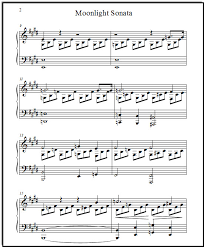
Moonlight Sonata: A Timeless Masterpiece That Continues to Inspire
The Moonlight Sonata is one of the most recognizable and beloved piano compositions in the world. From beginners touching the keys for the first time to seasoned pianists performing on grand stages, this piece has a universal pull. The emotional depth of the Moonlight Sonata makes it timeless, while its accessibility keeps it relevant for modern learners. Whether you are listening, learning, or teaching, the Moonlight Sonata remains a cornerstone of classical music appreciation.
For musicians today, resources like Moonlight sonata notes, Moonlight sonata sheet music, Moonlight sonata tabs, and Moonlight sonata chords have made studying this masterpiece easier than ever.
The History Behind the Moonlight Sonata
Composed by Ludwig van Beethoven in 1801, the Moonlight Sonata is officially titled Piano Sonata No. 14 in C-sharp minor, Op. 27 No. 2. Beethoven himself did not name it “Moonlight”; the nickname was added years later by a poet who felt the first movement resembled moonlight shimmering on water. Since then, the Moonlight Sonata has captured imaginations across generations.
At the time, Beethoven was experimenting with new emotional expressions and structural freedom. The Moonlight Sonata broke conventions by opening with a slow, introspective movement instead of a fast one. This bold decision helped redefine what a piano sonata could be and cemented the Moonlight Sonata as a revolutionary work in classical music.
Musical Structure and Movements
The Moonlight Sonata consists of three distinct movements, each offering a different emotional experience. The first movement is calm, haunting, and reflective. The second movement provides a lighter, almost playful contrast, while the third movement is dramatic and technically demanding. Together, these movements make the Moonlight Sonata a complete emotional journey.
Understanding the structure helps learners interpret the piece more musically. Many students rely on Moonlight sonata notes to grasp phrasing and dynamics, especially in the delicate first movement.
Learning the Moonlight Sonata Notes
For pianists, mastering the Moonlight sonata notes is the first major step toward performing the piece confidently. The right-hand melody in the first movement flows gently, while the left hand maintains a steady arpeggiated pattern. Carefully studying Moonlight sonata notes allows players to understand timing, articulation, and emotional expression.
Beginners often start slowly, focusing on accuracy rather than speed. Intermediate players refine their touch and pedaling using detailed Moonlight sonata notes as a guide. Even advanced pianists revisit Moonlight sonata notes to explore new interpretative ideas within the music.
Using Moonlight Sonata Sheet Music Effectively
High-quality Moonlight sonata sheet music is essential for serious practice. Authentic editions preserve Beethoven’s original intentions, including tempo markings and dynamic contrasts. When reading Moonlight sonata sheet music, pianists can better visualize the structure and progression of the composition.
Students and teachers alike prefer clear and well-annotated Moonlight sonata sheet music to ensure accuracy. Digital versions of Moonlight sonata sheet music also allow easy access, making practice more convenient than ever.
Exploring Moonlight Sonata Tabs for Beginners
For those new to piano or transitioning from other instruments, Moonlight sonata tabs can be incredibly helpful. Unlike traditional notation, Moonlight sonata tabs provide a simplified visual reference that shows which keys to press.
Many beginners use Moonlight sonata tabs alongside listening exercises to build confidence. While tabs should not replace formal learning entirely, Moonlight sonata tabs serve as a friendly entry point into this iconic piece.
Understanding Moonlight Sonata Chords
Harmony plays a crucial role in the emotional impact of the Moonlight Sonata. Studying Moonlight sonata chords helps musicians understand how tension and release are created throughout the piece. The first movement relies on subtle harmonic shifts, while the final movement uses powerful Moonlight sonata chords to drive intensity.
Composers and arrangers often analyze Moonlight sonata chords to learn how Beethoven conveyed emotion with such economy. Practicing transitions between Moonlight sonata chords also improves overall musicality.
Practice Tips for Mastering the Piece
To truly master the Moonlight Sonata, consistent and mindful practice is key. Break the piece into sections, focus on hand independence, and use a metronome for control. Combining Moonlight sonata notes with Moonlight sonata sheet music ensures accuracy, while Moonlight sonata tabs can assist during early learning stages. Understanding Moonlight sonata chords will also deepen your interpretation and confidence.
Recording yourself and listening back can reveal areas for improvement. The Moonlight Sonata rewards patience, and gradual progress leads to expressive performance.
Advanced Interpretation and Expression
Advanced pianists often revisit the Moonlight Sonata to explore new emotional layers. Pedaling technique, subtle tempo changes, and dynamic control elevate a performance from technical to transcendent. Studying Moonlight sonata notes in depth, along with professional Moonlight sonata sheet music, helps refine interpretation. Some players even compare Moonlight sonata tabs with standard notation to better understand finger placement, while analyzing Moonlight sonata chords adds harmonic insight.
Digital Resources and Modern Learning
Today, learning the Moonlight Sonata is easier thanks to online tools and tutorials. Interactive platforms combine Moonlight sonata notes, Moonlight sonata sheet music, Moonlight sonata tabs, and Moonlight sonata chords into comprehensive learning systems. These resources make the Moonlight Sonata accessible to learners worldwide, regardless of experience level.
Frequently Asked Questions
Many learners ask whether the Moonlight Sonata is suitable for beginners. While the first movement is approachable, the full Moonlight Sonata requires dedication. Using Moonlight sonata notes alongside Moonlight sonata sheet music helps build a solid foundation. Beginners may also benefit from Moonlight sonata tabs, while understanding Moonlight sonata chords supports musical growth.
Conclusion: Why the Moonlight Sonata Endures
The Moonlight Sonata continues to captivate listeners and musicians because of its emotional honesty and musical brilliance. From studying Moonlight sonata notes to practicing with Moonlight sonata sheet music, experimenting with Moonlight sonata tabs, and analyzing Moonlight sonata chords, every approach offers a deeper connection to the music. The Moonlight Sonata is more than a composition—it is an experience, a lesson, and a timeless work of art that will continue to inspire for generations to come.

Why Is One AirPod Louder Than the Other? Complete User-Friendly Guide
If you’ve ever put in your AirPods and instantly wondered why is one airpod louder than the other, you’re not alone. This is one of the most common audio problems users face today. From simple settings issues to hardware wear, understanding why is one airpod louder than the other can save you time, frustration, and even money. In this guide, we’ll break down why is one airpod louder than the other, how to fix it, and what related audio issues may be causing the imbalance.
Common Reasons Why One AirPod Is Louder Than the Other
One of the first thoughts people have is why is one airpod louder than the other even when both were working perfectly before. The most frequent causes include earwax buildup, audio balance settings, software bugs, or even hearing sensitivity. When users ask why is one airpod louder than the other, it’s often something simple that can be fixed in minutes.
Another reason why is one airpod louder than the other could be Bluetooth interference or outdated firmware. Keeping your device updated is crucial when troubleshooting why is one airpod louder than the other.
Audio Balance and Accessibility Settings
Many users don’t realize their phone has balance controls, which directly explain why is one airpod louder than the other. If the slider is slightly off-center, it can create the illusion that one side is broken. Checking these settings often resolves why is one airpod louder than the other instantly.
This same issue applies when people ask why is one of my airpods louder than the other, because balance settings affect both AirPods and other headphones.
Earwax, Dirt, and Physical Blockage
A surprisingly common answer to why is one airpod louder than the other is earwax buildup. Even a thin layer can muffle sound. The same logic applies to users asking why is one earbud louder than the other or why is one of my earbuds louder than the other. Regular cleaning prevents these problems.
Software Glitches and Bluetooth Problems
Sometimes why is one airpod louder than the other has nothing to do with hardware. Temporary Bluetooth glitches, corrupted audio profiles, or app-specific bugs can all cause imbalance. Restarting your device often fixes why does one airpod sound louder than the other without any extra steps.
Hearing Differences and Environment
Not all issues are technical. Many users asking why is one airpod louder than the other later realize it’s related to hearing sensitivity. This also explains why do i hear background noise louder than voices, especially in noisy environments. Our ears don’t always process sound evenly.
Related Audio Questions Explained
People searching why is one headphone louder than the other face similar causes: balance settings, dirt, or worn drivers. Likewise, why is one of my airpods louder than the other often overlaps with why does one airpod sound louder than the other, especially after updates.
Interestingly, some users even ask why is my vibrator getting louder, which is usually due to motor wear, loose components, or battery issues. While unrelated to AirPods, it shows how common uneven sound problems are across devices.
Quick Fixes You Should Try First
If you’re still wondering why is one airpod louder than the other, try these steps:
Clean both AirPods carefully
Reset Bluetooth connections
Check audio balance settings
Update your device software
These steps also help if you’re asking why is one earbud louder than the other or why is one of my earbuds louder than the other.
When to Replace or Repair
If none of the fixes solve why is one airpod louder than the other, hardware damage may be the cause. Long-term use, drops, or moisture exposure can permanently affect sound. The same applies to why is one headphone louder than the other in wired or wireless models.
Final Thoughts
To sum it up, why is one airpod louder than the other usually comes down to settings, cleanliness, or minor software issues. By understanding why is one airpod louder than the other and applying the fixes above, most users restore perfect sound balance quickly. Whether you’re asking why does one airpod sound louder than the other, why do i hear background noise louder than voices, or even why is my vibrator getting louder, the root cause is often easier to fix than it seems.
With proper care and awareness, you’ll never have to stress again about why is one airpod louder than the other.
Advanced Troubleshooting for Uneven AirPod Sound
If you’re still asking why is one airpod louder than the other after trying basic fixes, it’s time to look deeper. Advanced issues like microphone calibration errors or spatial audio conflicts can explain why is one airpod louder than the other even when everything looks normal.
Many users searching why is one of my airpods louder than the other don’t realize that Spatial Audio and Dolby Atmos can amplify one side depending on head movement. Turning these features off temporarily can help identify why does one airpod sound louder than the other.
App-Specific Audio Imbalance Problems
Another overlooked reason why is one airpod louder than the other is app-based audio settings. Streaming apps, video players, and even games may have independent volume controls. This often causes users to think why is one earbud louder than the other, when the issue is actually inside the app.
This same situation applies to people wondering why is one of my earbuds louder than the other or why is one headphone louder than the other while using certain applications.
Bluetooth Codec and Device Compatibility
Different devices use different Bluetooth codecs, and poor compatibility can explain why is one airpod louder than the other. Older phones or laptops may not properly balance stereo output, leading users to repeatedly search why is one airpod louder than the other without realizing the source.
Switching devices is a quick way to test why does one airpod sound louder than the other and rule out hardware damage.
Environmental Factors That Affect Sound Perception
Your surroundings matter more than you think. Wind, background chatter, and traffic noise often cause people to ask why do i hear background noise louder than voices. This can also make it feel like why is one airpod louder than the other, especially when using transparency or adaptive modes.
This sensory imbalance is also why users compare it to other sound problems like why is my vibrator getting louder, which is often caused by vibration echo or surface resonance.
Long-Term Usage and Wear Issues
Over time, speaker drivers wear unevenly. This is a major reason long-term users suddenly notice why is one airpod louder than the other. Consistent high-volume use on one side can permanently alter output, leading to why is one of my airpods louder than the other complaints.
The same wear-and-tear explanation applies to why is one earbud louder than the other and why is one headphone louder than the other, regardless of brand.
When Professional Support Is the Best Option
If you’ve tried everything and still wonder why is one airpod louder than the other, it may be time to contact support. Apple diagnostics can confirm whether the issue is internal. This is especially important if why does one airpod sound louder than the other started after water exposure or a drop.
Replacing a single AirPod is often cheaper than buying a new set, which is good news for anyone stuck asking why is one of my earbuds louder than the other.
Preventing Uneven Sound in the Future
To avoid asking why is one airpod louder than the other again:
Clean AirPods weekly
Avoid max volume on one side
Keep firmware updated
Store them properly
These habits also reduce issues related to why do i hear background noise louder than voices and improve overall audio clarity.
Final Expansion Summary
In most cases, why is one airpod louder than the other is not a serious defect but a combination of settings, usage habits, and environmental factors. By understanding why is one airpod louder than the other, users can confidently fix the issue without stress. Whether the concern is why is one earbud louder than the other, why is one headphone louder than the other, or even unrelated sound questions like why is my vibrator getting louder, the solution usually starts with awareness and simple adjustments.

Why is Gardening So Relaxing? The Secret Behind Nature’s Therapy
If you have ever asked yourself “Why is gardening so relaxing?”, you are not alone. Millions of people across the world have discovered the peace, joy, and satisfaction that comes from tending to plants, watching flowers bloom, or simply digging in the soil. But what makes this activity so therapeutic? Science and psychology both point to fascinating answers that explain why gardening is relaxing, how gardening reduces stress, and why gardening is so satisfying.
Why is Gardening So Relaxing?
One of the most common questions is “Why is gardening so relaxing?”. The answer lies in the combination of physical activity, fresh air, sunshine, and the calming effect of nature. Studies have shown that exposure to green spaces lowers cortisol levels—the hormone responsible for stress—making people feel calmer and happier. This explains why gardening is calming and why many consider it an effective stress management practice.
How Gardening Reduces Stress Naturally
Another big benefit is how gardening reduces stress. Whether it’s planting vegetables, trimming roses, or watering herbs, these small acts require mindfulness. When you focus on the present moment, your mind shifts away from daily worries. That’s why many psychologists recommend gardening as a natural therapy. The repetitive, soothing tasks explain why gardening is relaxing and also why gardening is amazing for mental health.
Why is Gardening So Satisfying?
People often wonder, “Why is gardening so satisfying?” The sense of achievement is one of the biggest reasons. Watching seeds grow into beautiful plants gives a feeling of accomplishment. You get to nurture life, and this responsibility brings deep emotional satisfaction. This is another explanation of why gardening is relaxing, since fulfillment and pride play key roles in overall well-being.
Why is Gardening Calming for the Mind?
So, why is gardening calming? Beyond the science of stress reduction, gardening connects humans with nature in a unique way. Breathing fresh air, feeling the soil, and enjoying colorful blooms activate the brain’s relaxation response. This helps balance emotions, lowers anxiety, and even improves sleep quality. It’s no surprise that so many say gardening is amazing.
Does Gardening Reduce Stress in Daily Life?
Many ask, “Does gardening reduce stress?” The answer is a resounding yes. Research shows that just 20 minutes of gardening can improve mood and lower anxiety. Unlike other activities, gardening combines movement, creativity, and nature exposure, all of which help explain why gardening is relaxing.
Gardening is Amazing: Benefits Beyond Relaxation
People often say gardening is amazing not only because it relaxes the mind, but also because it improves physical health. Digging, planting, and carrying pots are forms of low-impact exercise, which help strengthen muscles and improve flexibility. This physical activity, combined with mental relaxation, reveals both why gardening is calming and why gardening is so satisfying.
Why Gardening is Relaxing for Different Ages
Another reason why gardening is relaxing is its universal appeal. Children enjoy playing with soil, adults find joy in maintaining plants, and seniors benefit from the soothing nature of gardening. For every age group, the benefits of how gardening reduces stress remain consistent. That’s why people across generations agree that gardening is amazing.
Why is Gardening So Relaxing? A Spiritual Connection
For some, why gardening is relaxing has a spiritual explanation. Being surrounded by plants gives a feeling of closeness to nature and life itself. Many gardeners say they feel grounded, connected, and even more grateful for the simple things. This deeper perspective explains why gardening is calming and why gardening is so satisfying at a soul level.
Final Thoughts: Why is Gardening So Relaxing?
So, why is gardening so relaxing? The answer is clear—it combines stress reduction, physical activity, mindfulness, and emotional satisfaction. When you see how quickly and effectively gardening reduces stress, you understand why gardening is calming. Add to that the joy of creation and fulfillment, and you realize why gardening is so satisfying.
In the end, it’s safe to say gardening is amazing, not only for mental health but also for happiness, peace, and balance in life.


Moonlight Sonata: A Timeless Masterpiece That Continues to Inspire

Why Is One AirPod Louder Than the Other? Complete User-Friendly Guide

How Do Satellites Stay in Orbit? A Complete Guide

☕️The Ultimate Coffee Lover’s Guide: From Caffeine in a Cup of Coffee to Turkish Coffee Delights

In today’s fast‑moving economy, what industry is slowly dying and why?

🐦 The Ultimate Bird Watching Guide: Best Birdwatching Locations & Tips for Beginners
-
 Business7 months ago
☕️The Ultimate Coffee Lover’s Guide: From Caffeine in a Cup of Coffee to Turkish Coffee Delights
-
 Business7 months ago
In today’s fast‑moving economy, what industry is slowly dying and why?
-

 Entertainment7 months ago
Black Phone 2′ Cast Revealed: 5 Stars Return, 5 Actors Join & 1 Star Exits
-

 Business8 months ago
The Many Faces of “Future”: Markets, Farming, Music, AI, and a Better Tomorrow
-

 Tech7 months ago
Ultimate Secret Android Apps You’ll Actually Love
-

 Health8 months ago
A Journey Through Life’s Firsts: Health, Gaming, and Experiences That Shape Us
-

 Lifestyle8 months ago
What is life Philosophy?
-

 Business7 months ago
The Power of Calming Scents: Unlocking Relaxation and Stress Relief